

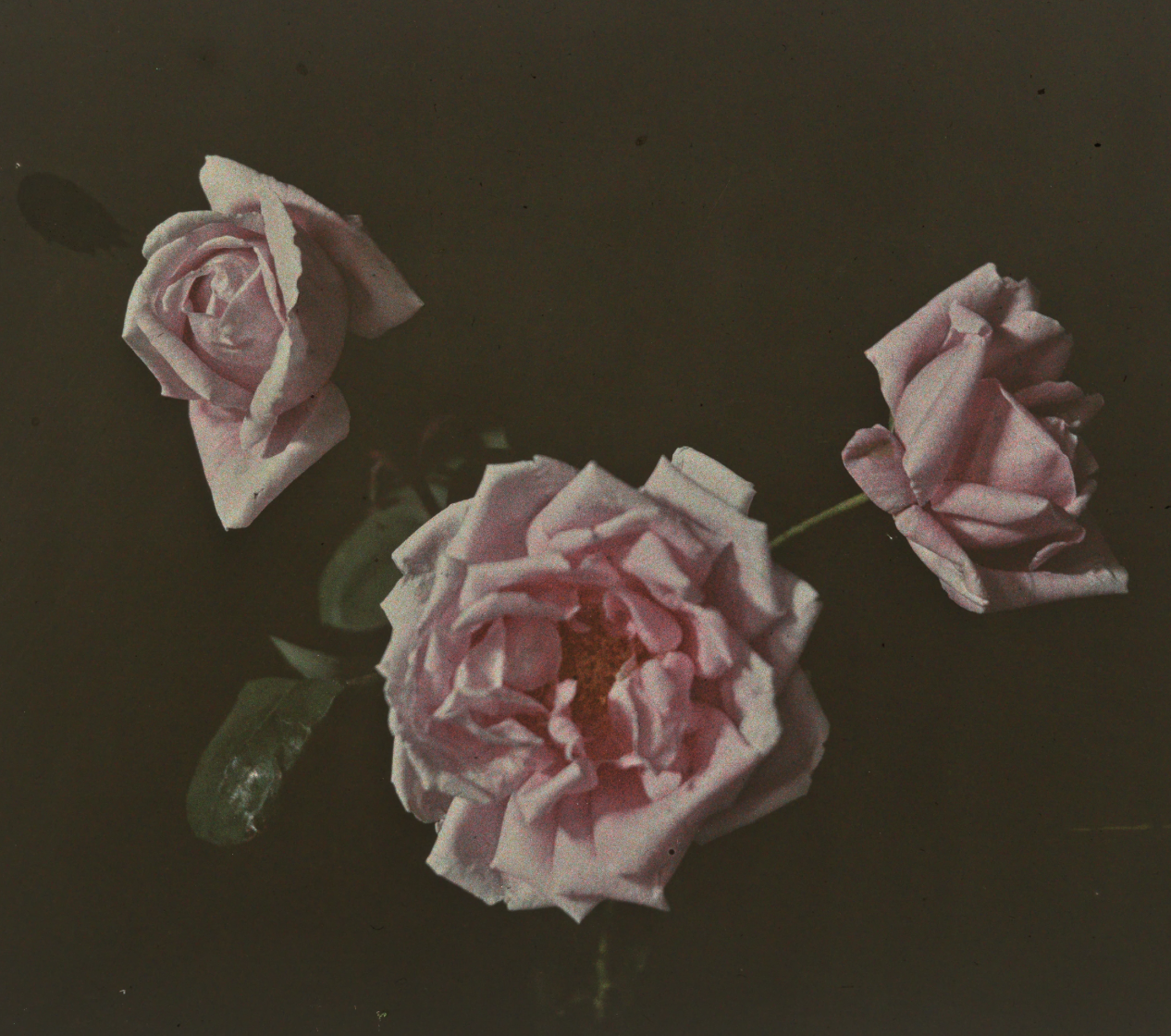
Beyond the Bouquet - The Modern Floral in Perfumery
Floral perfume is being reconsidered. Beyond the traditional bouquet, a new generation of florals uses woods, musks, tea and unexpected textures to create fragrances that feel abstract, atmospheric and distinctly modern.
For decades, floral perfume was largely defined by the traditional bouquet: rose, jasmine, tuberose, violet and other flowers composed into something recognizably feminine. Contemporary perfumery (thankfully) has loosened such conventions. The modern floral can be sheer, woody, musky, spicy or even strange, treating flowers as texture rather than decoration.
What Makes a Floral Perfume Modern?
Much of the shift comes from what surrounds the flowers. Transparent woods, musks, tea, pepper, mineral notes and modern aroma molecules can pull familiar florals into unexpected territory. Rose becomes dry rather than romantic. Jasmine can feel luminous instead of florid. The flower remains, but its traditional associations begin to disappear.
Are Floral Perfumes Genderless?
Fragrance has no inherent gender, despite generations of marketing suggesting otherwise. Modern floral perfumes make that especially apparent. By moving away from sweetness and conventional bouquets, they allow flowers to feel abstract and atmospheric, responding as much to the wearer as to any prescribed idea of femininity or masculinity.
Fleur Abstraite: The Flower, Reconsidered
Fleur Abstraite approaches the floral as something less literal. Jasmine, rose and pink pepper move through black tea, transparent woods and clean musks, creating an ethereal floral musk that changes with the skin. The impression is not of a flower itself, but of its aura.
Beyond the Bouquet
The most interesting modern florals don't abandon flowers. They give them a new context. Freed from convention, florals can be intimate, ambiguous, strange and deeply personal, proof that there are still countless ways to reconsider the familiar.
Skin Scents and the Art of Intimacy in Perfumery
Skin Scents and the Art of Perfume That Stays Close
There is a category of fragrance that doesn't announce itself when you enter a room, rather It waits until someone leans closer; enters your personal aura. It feels less like perfume in the traditional sense, and more like an atmosphere, an aura, something intimate, personal, and almost difficult to name.
These are what we know as skin scents.
Skin scents are fragrances designed to wear close to the body. They do not necessarily disappear quickly, nor are they simply "light" perfumes. Their character is revealed gradually, through warmth, movement, and proximity. A skin scent may be soft, sheer, musky, woody, powdery, or subtly mineral, but its defining quality is intimacy.
What Is a Skin Scent?
The phrase skin scent is used in several ways. Sometimes it describes a perfume with modest projection, one that stays close rather than filling a room. Sometimes it refers to fragrances built around musks and transparent woods that blend with the wearer's natural scent. More broadly, a skin scent is any fragrance that feels like an extension of the person wearing it rather than something imposed upon them.
Unlike perfumes that are designed to make an immediate statement, skin scents reward proximity and intimacy. They are often described as "your skin, but better," enhancing rather than masking. Their beauty tends to lie in their restraint.
Why Are Skin Scents So Popular?
As fragrance has become more personal and nuanced, some people have pivoted away from perfumes that can dominate a space (think headache makers). Instead, there is growing appreciation for scents that invite discovery, rather than command attention.
A skin scent creates a different kind of presence. It becomes part of your daily rhythm; noticeable when you move, or when someone embraces you, or when you catch a trace of it on a scarf or sleeve hours later.
This intimacy has made skin scents a defining category within contemporary perfumery. They are versatile, elegant, and easy to wear, yet often surprisingly memorable.
What Makes a Great Skin Scent?
Creating a successful skin scent is more complex than simply making a perfume weaker or less complex.
A true skin scent is carefully balanced to remain close to the body while maintaining depth, interest, and longevity. Modern musks, radiant woods such as Iso E Super, soft ambers, and delicate floral materials are often used to create a halo effect that feels translucent rather than diluted.
The result is a fragrance that evolves naturally with body chemistry, revealing different facets throughout the day.
Fleur Abstraite: A Contemporary Skin Scent
Fleur Abstraite explores the skin scent through a contemporary lens. Rather than relying on sweetness or overt florals, it layers luminous pink pepper, airy florals, transparent woods, and soft musks into a composition that feels quietly magnetic.
It is not a fragrance that asks to be noticed immediately. Instead, it reveals itself slowly, becoming part of the wearer's presence. The effect is clean yet warm, abstract yet familiar, intimate yet distinctive.
Like the best skin scents, Fleur Abstraite is designed for the person wearing it first. The compliments come later.
Discovering Perfume Through Intimacy
Not every fragrance needs to fill a room.
skin scents are intended to sit close to the body, revealing themselves naturally through warmth, movement, and proximity. they reward closeness rather demanding attention.
The beauty of a skin scent also lies in what it does not do. It doesn't compete for attention, dominate a space, or sharply divide opinions. It reveals itself gradually, allowing the emphasis to remain on the wearer, that is, if you are lucky to get close enough.
How to Smell Perfume Like a Perfumer
It All Begins Here
Most people decide whether they like a fragrance within the first few seconds. for a perfumer, this process can take anywhere from hours to days.
Instead of asking, Do I like this?, they ask, How is this evolving, what senses is it waking up, how does this make me feel? Every perfume shifts over time, revealing different facets and nuances as ingredients evaporate at different rates.
Start with a Blotter
Professional perfumers almost always begin with a blotter before applying fragrance to the skin. This allows the composition to be experienced without interference from body chemistry.
After spraying, wait a few seconds for the alcohol to evaporate before smelling. Take short, gentle breaths rather than one deep inhale.
Give It Time
The opening isn't the whole story.
Fresh citrus, herbs, and spices appear first because they're the most volatile ingredients. As they fade, the heart and base begin to emerge, revealing the fragrance's true character.
Revisit the perfume after 15 minutes, then again after an hour. The dry down often tells a completely different story than the opening.
Wear It on Skin
Once you've experienced a fragrance on paper, wear it.
Body temperature, movement, and skin chemistry all influence how a perfume develops. The same fragrance can feel noticeably different from one person to the next.
Focus on Impressions
Rather than trying to identify every note, pay attention to how the fragrance “feels” what is it’s aura.
Is it airy or dense? Warm or cool? Smooth or textured? Does it remind you of clean linen, warm wood, fresh tea, or sunlit stone?
Perfumers often think in atmosphere before ingredients.
Slow Down
Some fragrances make an immediate impression. Others reveal themselves gradually.
Spending time with a perfume often tells you far more than the first few minutes ever could. The fragrances that continue to surprise you are often the ones you'll return to again and again.